The music
Strauss, Mozart and Schubert: the music
What the waltz, the polka and the three composers on the programme are, with sourced background for a first-time listener.
Reserve seats for the concert ↗Quick answer
The booking page names Strauss, Mozart and Schubert as the composers, and waltzes, polkas, arias and duets as the forms. The waltz is a dance in three beats that became fashionable in Vienna around the 1780s, the polka is a quick two-beat dance from Bohemia that reached Vienna by 1839, and the three composers each worked in the city. This is background, not a set list, because the programme varies.
The waltz in brief
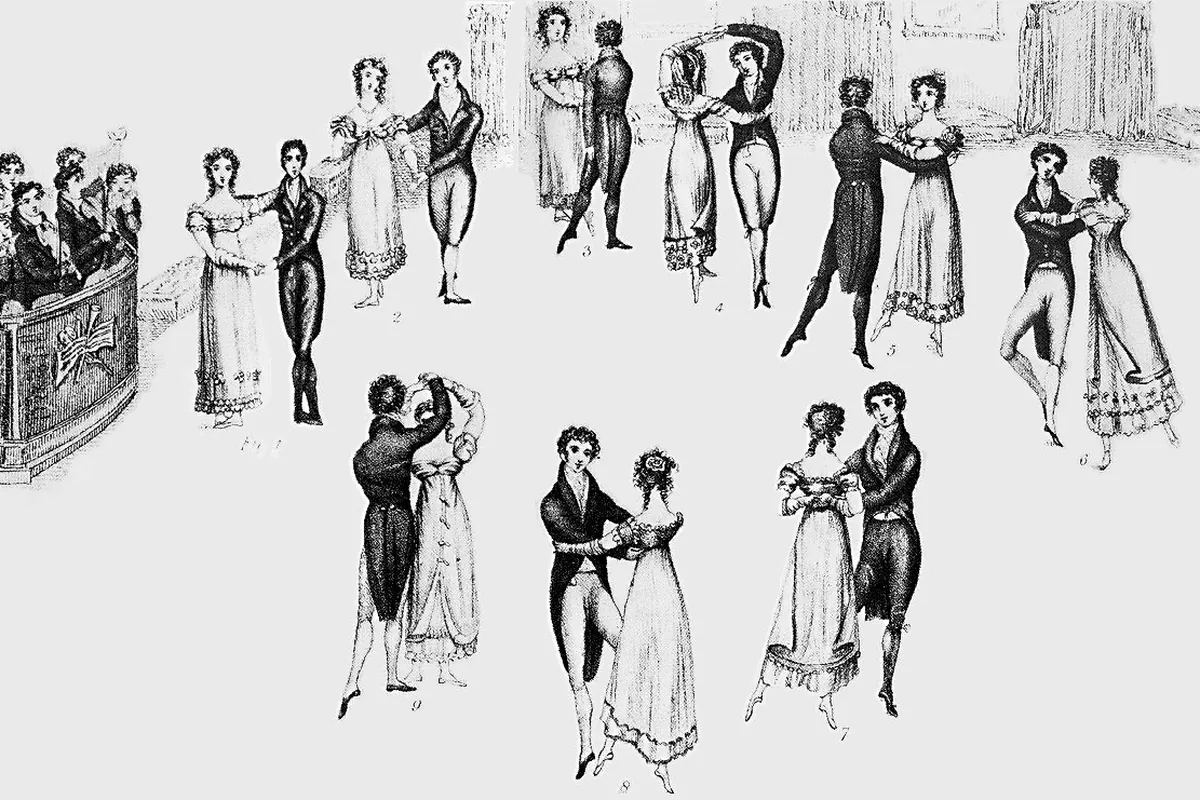
The English Wikipedia says that around 1750 lower-class people in Bavaria, Tyrol and Styria began dancing a couples dance called Walzer. It is in 3/4 time, and the related Ländler, a country dance, was popular in Bohemia, Austria and Bavaria. The waltz became fashionable in Vienna around the 1780s, and dancing there quickened it into the fast version we now call the Viennese waltz.
The polka
According to the English Wikipedia, the polka arose in nineteenth-century Bohemia. It is in duple, 2/4 time, and the name is thought to derive from Czech půlka, which means half, referring to the half-step. It reached Prague ballrooms by 1835, Vienna by 1839 and Paris in 1840, where the craze was called polkamania. Strauss wrote polkas, including the Annen-Polka and the Pizzicato Polka, which the source credits to Johann and Josef Strauss.
Johann Strauss II
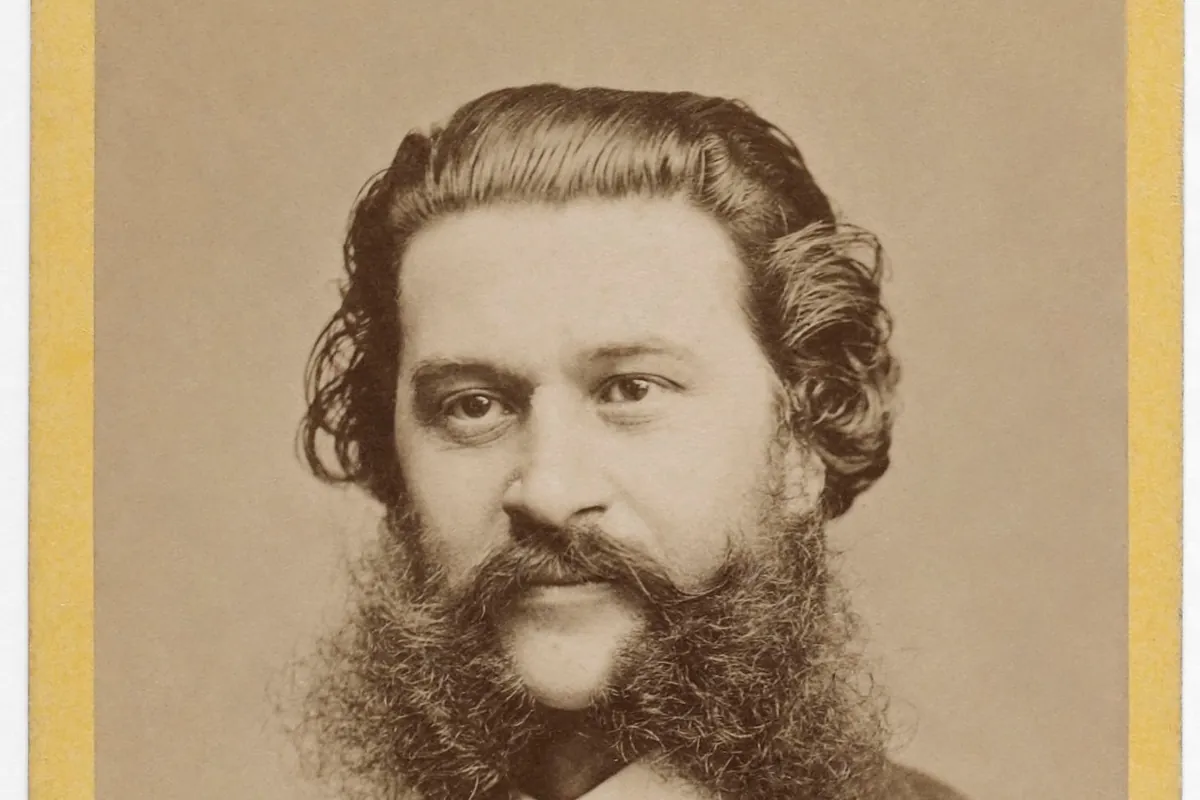
Johann Strauss II was born on 25 October 1825 in St Ulrich, near Vienna, and died in Vienna on 3 June 1899, the English Wikipedia says. He was called the Waltz King, and his father, Johann Strauss I, and brothers Josef and Eduard also wrote light music. The Blue Danube, Op. 314, dates from 1867, and the operetta Die Fledermaus was first performed in 1874. A statue of him stands in the Stadtpark.
The Strauss family
The English Wikipedia says Johann Strauss II led his own touring orchestra, and that after his death his brother Eduard disbanded it in 1901 after concerts in 840 cities. The family name stood for the light music of Vienna long before recordings, which is why a visitor concert in Vienna leans on it. It also explains why the evening can include polkas and marches as well as waltzes: the family wrote across the whole range of dance music, not just the waltz.
Mozart and Vienna
The English Wikipedia records that Mozart moved to Vienna in 1781 after leaving the Salzburg court, and lived there about ten years until his death on 5 December 1791, at 35. The Marriage of Figaro premiered in Vienna in 1786, while Don Giovanni premiered in Prague in 1787. Arias and duets from his stage works are the kind of music a visitor concert draws on, but the booking page does not name pieces.
Franz Schubert
Schubert was born in Vienna on 31 January 1797 and died there on 19 November 1828, aged 31, according to the English Wikipedia. He wrote more than 600 Lieder, or German art songs, and works such as Erlkönig and Ave Maria. In the early 1820s he took part in gatherings of artists and students called Schubertiads. His music on a visitor programme tends to be the gentler, song-like thread.
Why these three together
A visitor programme pairs Strauss, Mozart and Schubert because all three are tied to Vienna and all three wrote music that a first-time listener can follow. Mozart supplies theatre, Schubert supplies song and Strauss supplies dance. Together they give a quick tour of Viennese music across about a century, from the 1780s of Mozart's Vienna years to the Ringstrasse decades of Strauss. That is a framing for the evening, not a promise of any one piece.
What an aria and a duet are
An aria is a solo song within an opera or operetta; a duet gives the singing to two voices. The booking page lists romantic arias and duets, which suggests singers share the stage with the orchestra. Travellers on the page mention singing, dancers and a drummer, so expect variety. A visitor concert uses these forms because each is short and clear to a first-time listener.
Why the programme changes
The booking page lists the kinds of music, not particular pieces, and reviewers describe different elements: arias, a lead violinist, a clarinet player, ballet and humour. That mix will not be identical every night. If you need one piece, you cannot book on that basis. If you want the general flavour of Viennese light classics, the programme will likely deliver it.
How to listen
Waltzes ask for the lilt of the first beat in every bar, and polkas ask for a quick, bouncing pulse. Arias reward watching the singer. If a piece is new to you, let it run: these tunes were written to be danced to, not studied. Afterwards, a recording of the Strauss pieces you liked gives you a way to hear them again at home.
Sources